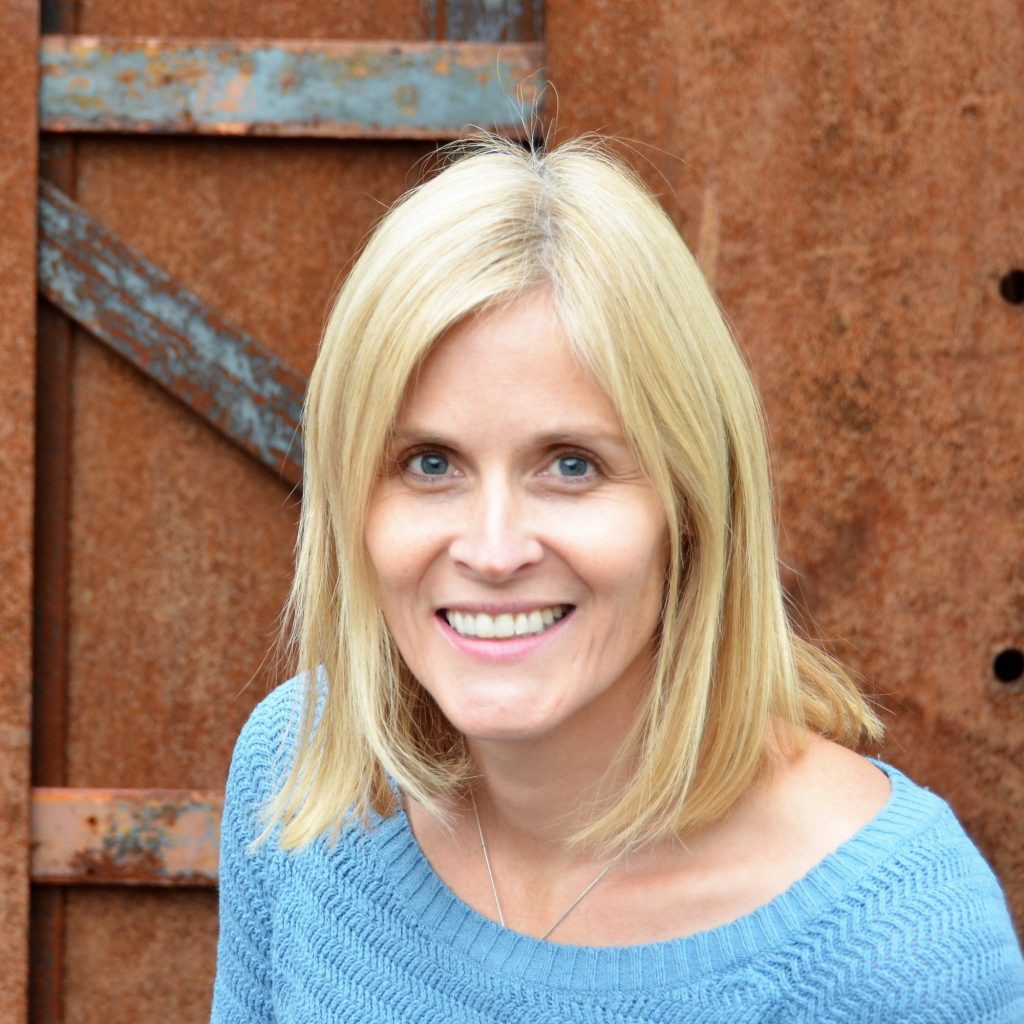
Christina Bandaragoda
Senior Research Scientist, University of Washington
Contact: cband@uw.edu
UniversityofWashington_SyracuseUniversity
The biosphere, geosphere, and cybersphere are changing fast, with massive datasets of earth and environmental observations, opportunities to compute enormously complex physical process calculations, and deep social implications for action based on predictions of coupled human and natural systems. Our future depends on how we apply our collective intelligence, creativity, and attention to detail while data mining, optimizing parameters, and using machine learning techniques to interactively build community research software, open data, and online learning experiences that increase the societal benefits of our scientific research. This module uses peer review research to develop case studies that demonstrate the utility of new techniques in data analytics as applied to wicked earth problems, spatiotemporally dynamic environmental datasets, and designed for accessibility for geoscientists and engineers at all levels of computer science experience. Specifically, students will learn how to 1) streamline research workflows with Jupyter Notebooks by accessing publicly available computational resources for hydrologic science, 2) lead and contribute to a Learning Community advancing Findable, Accessible, Interoperable, Reproducible (FAIR) standards; 3) transform and translate research questions, data, and code between geoscience domains, data science, and computer science using R and Python; 4) use transdisciplinary informatics, computational and data science to understand critical Earth and Environmental Science challenges with authentic tasks; and 5) build on infrastructure design methods that result in computational narratives that amplify new perspectives, increase curiosity, and communicate new insights.

This module is designed to introduce learners to the basics of R and Python programming as well as the application of emerging data analytics and machine learning methods in the Earth and Environmental Sciences.
Describe the overview of the module in a few sentences. How does your module plan to address the problem statement?
Include a brief list of topics covered
N/A
At the end of this module, students will be able to: X, Y, Z".
This will be accomplished through activities within each section. Results from each activity will be recorded in specified results templates. The results templates for each activity can be found at the beginning of each activity. The results templates are organized such that results from one activity can easily be used in successive activities.
Senior Research Scientist, University of Washington
Contact: cband@uw.edu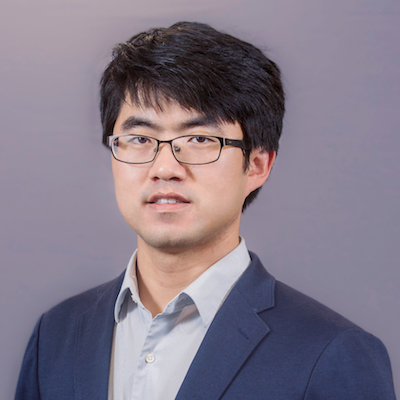
Assistant Professor, Syracuse University
Contact: twen08@syr.eduThis module is designed to serve a broad mix of learners whose coding expertise ranges from beginner to expert level and whose geoscience-related research interests
Computer with access to the Internet
CUAHSI HydroShare account (https://www.hydroshare.org/)
This course is available for export by clicking the "Export Link" at the top right of this page. If you are an Instructor seeking the answer keys, please contact the course creators using your official University email account.
A student can expect to complete this module with approximately XXXX work hours