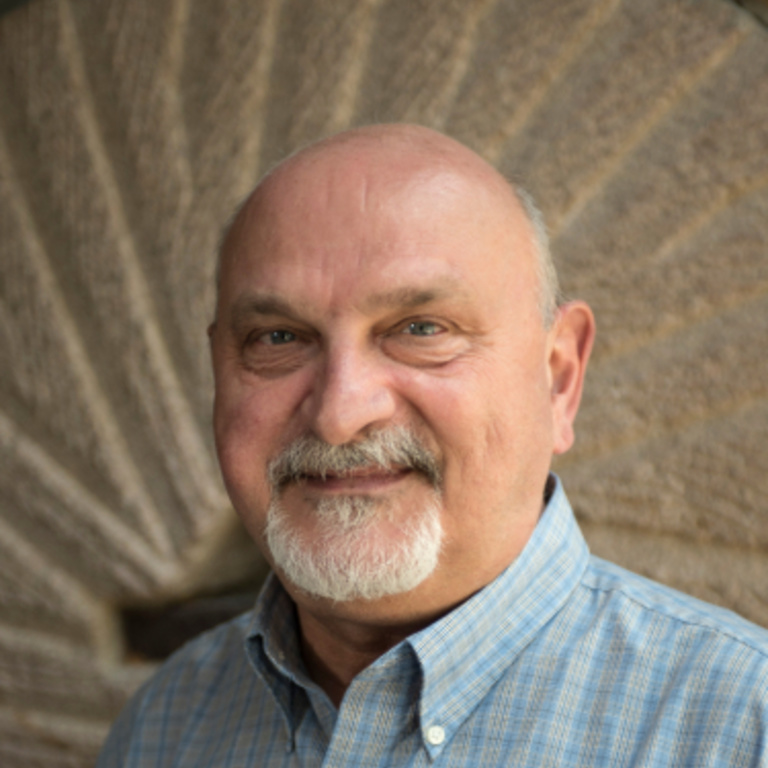
Marian Muste
IIHR Hydroscience and Engineering, University of Iowa
marian-muste@uiowa.edu

HydroLearn
Quantifying, combining, and reporting the uncertainty of streamflow measurements with the GUM framework.
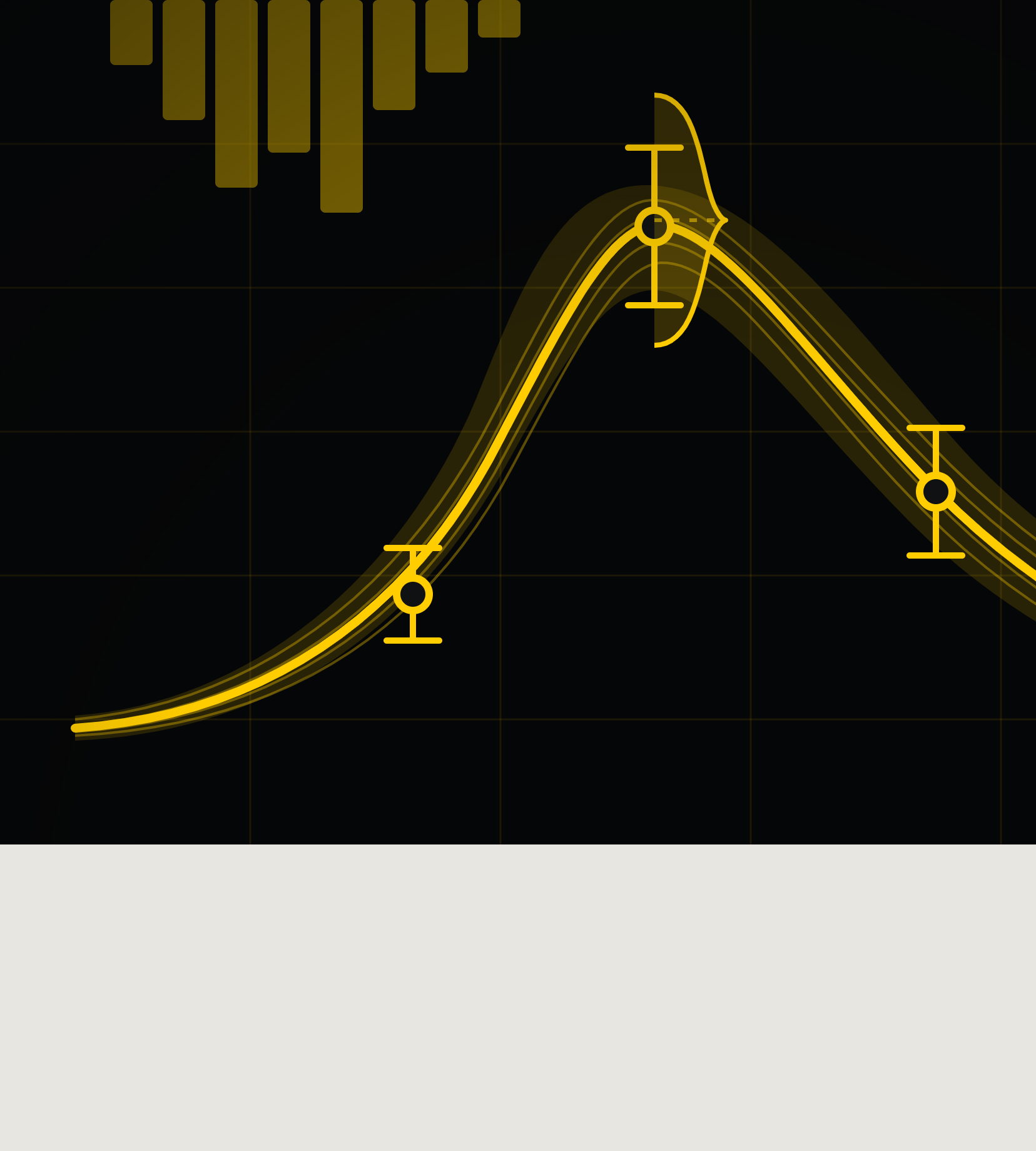
Every streamflow measurement is reported as a single discharge Q, yet the value always carries an uncertainty U(Q) from the instrument, the cross-section, the sampling, and the measurement equation. Reporting Q without U(Q) hides a noise floor that every downstream product inherits: rating curves, model calibration, and Flood Inundation Maps.
This module gives practicing hydrologists a compact, hands-on workflow for putting a defensible uncertainty on a streamflow measurement using the international GUM framework: terminology, the six-step workflow, two Python notebooks (a Pitot warm-up and a full mid-section current-meter discharge with a Monte Carlo cross-check), and a capstone task where you write a defensible measurement record.
The hands-on activities run on the published HydroShare resource (Open with: CUAHSI JupyterHub) or on Google Colab.
Error vs. uncertainty; Type A and Type B evaluation and their divisors; the GUM six-step workflow; sensitivity coefficients; the law of propagation of uncertainty; coverage factor and expanded uncertainty; Monte Carlo validation (JCGM 101); uncertainty budgets; reporting conventions (ISO 748, WMO); propagation into model calibration and Flood Inundation Mapping.
At the end of this module, learners will be able to:
Four sections, self paced, about 2 hours total.
| Section | Estimated time |
|---|---|
| Section 1, Introduction | 5 min |
| Section 2, Foundations of measurement uncertainty | 30 min |
| Section 3, Hands-on labs (includes Learning Activities 1 and 2) | 70 min |
| Section 4, Authentic task | 15 min |
IIHR Hydroscience and Engineering, University of Iowa
marian-muste@uiowa.edu

IIHR Hydroscience and Engineering, University of Iowa
mohamed-abdelkader@uiowa.edu
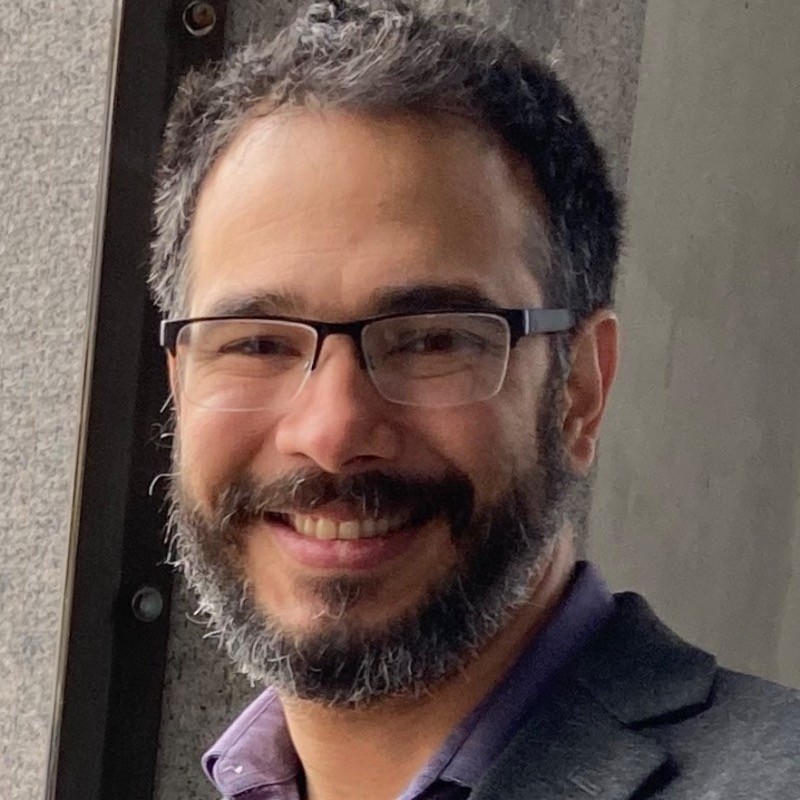
IIHR Hydroscience and Engineering, University of Iowa
Practicing hydrologists, agency field staff, and CIROH developers who collect or use streamflow data and need to put a defensible uncertainty on it.
A computer with internet access and a modern browser. For the hands-on activities, the published HydroShare resource (Open with: CUAHSI JupyterHub) or Google Colab; the notebooks need only numpy, pandas, and matplotlib.
About 2 hours total. Self paced.
This course is available for export by clicking the "Export Link" at the top right of this page. You will need a HydroLearn instructor studio account to do this. You will first need to sign up for a hydrolearn.org account, then register as an instructor by clicking 'studio.hydrolearn' and requesting course creation permissions.
Muste, M., Abdelkader, M., & Vergara, H. (2026). Uncertainty Analysis for Hydrometric Measurements. University of Iowa.
Companion notebooks: Abdelkader, M. (2026). Theory and Applications of Uncertainty Analysis for Extreme Event Hydrometry, CIROH DevCon 2026 Workshop, HydroShare, https://www.hydroshare.org/resource/78f5144c38de461eb4d951ec2ed2a23f/.
This research was supported partially by the Cooperative Institute for Research to Operations in Hydrology (CIROH) with joint funding under award NA22NWS4320003 from the NOAA Cooperative Institute Program and the University of Iowa Public-Private Partnership (P3) program.